Pest Control · Draper, VA
Technicians record species identification, nest locations, and contributing conditions during each visit. This information guides product choice and placement so that follow-up work can target any remaining activity without unnecessary re-treatment of the same areas. Similar hidden activity sometimes requires spider control or bed bug extermination to fully resolve.
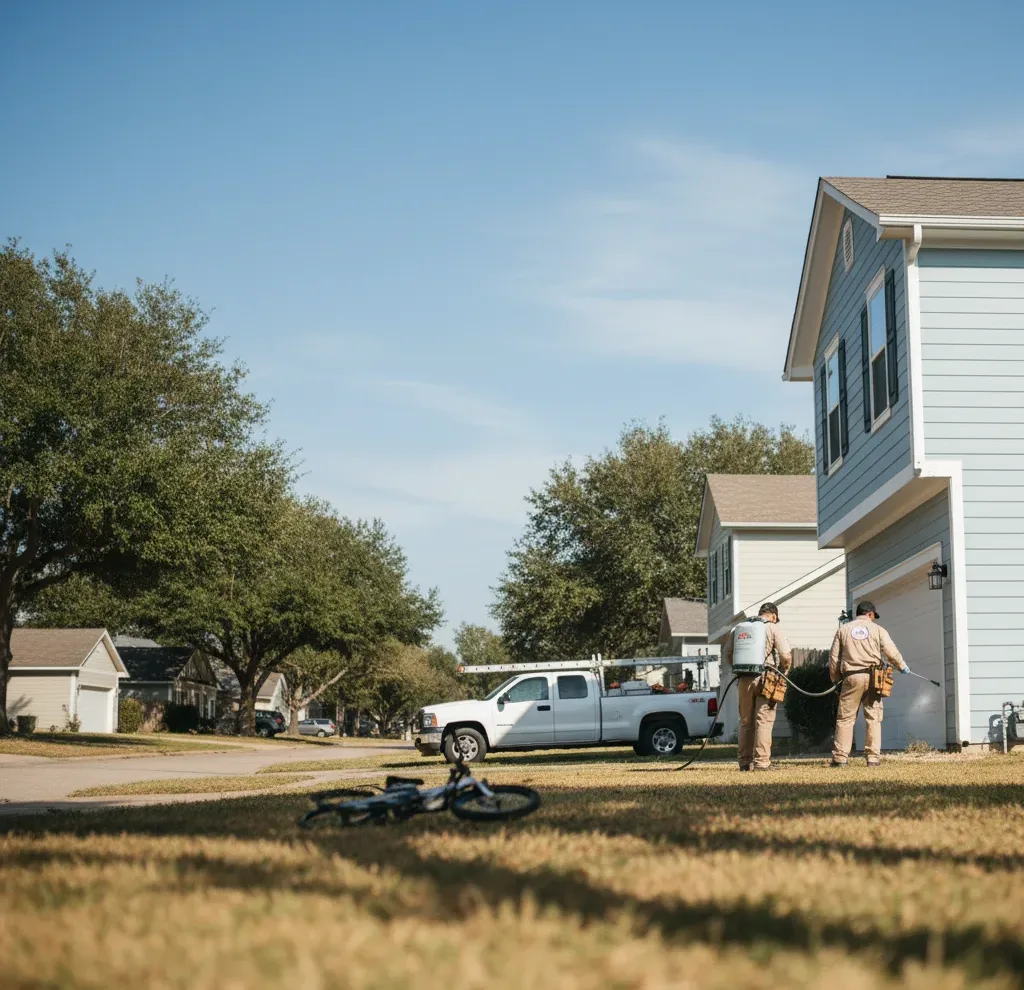
Technicians begin by walking the exterior perimeter and checking for consistent lines of ants moving toward or away from the structure. Cracks around window frames, gaps where siding meets the foundation, and openings around plumbing or electrical penetrations receive close attention. Inside, attention turns to baseboards, cabinet voids, and areas behind appliances where crumbs or moisture collect. Once trails are marked, the team traces them back toward likely nesting zones rather than treating only the visible line. This step prevents repeated surface activity that occurs when only foragers are addressed. Soil along the foundation is also inspected for evidence of shallow nests that may extend under the slab or into wall voids.
Carpenter ants often settle in moist or previously damaged wood inside attics, crawl spaces, or wall cavities similar to problems handled through termite inspection and treatment. Smaller species such as pavement ants or odorous house ants may establish colonies beneath slabs, inside expansion joints, or near heating units where warmth and water are available. Homeowners can sometimes confirm activity by placing a small amount of bait near a trail and watching whether workers carry it back to a hidden point. The inspection records these details so treatment can reach the actual colony rather than scattered foragers. Issues with crumbs can also point to the need for cockroach extermination in the same voids.
The ground around a property shapes how ants move, nest and reach buildings. The type of soil under a house decides how much its foundation and surrounding areas shift or hold moisture over time. Draper sits on clay loam.
Weather determines when ants forage and reproduce most actively. The area sees warm summers and cold winters, around 17 inches of snow a year, and 120 nights below freezing. Treatment plans must account for these patterns to remain effective across changing seasons.
Environmental factors in a town often create entry points or shelter for ants. Common problems include a long freeze season. Understanding these helps target the real sources of activity rather than just the visible trails.
FAQ

Larger structures, difficult access points, and the need for multiple product types all affect the total. The inspection identifies these factors before any work begins so the owner can decide how much to address at once.
Removing food sources and clearing clutter reduces available shelter and can slow activity. However, locating the actual entry points and confirming the species usually requires tools and experience that are not part of a standard household routine.
A technician walks the full interior and checks adjacent spaces that share walls or utility lines. Evidence such as droppings or rub marks often appears beyond the original report. Mapping these points shows whether the issue is contained or has spread.
Pest Control across Draper, VA. Call (833) 602-3525.
Call (833) 602-3525